Timeline (2010s)

For the art movement that I decided to research for this time period, I chose to do computer art. This is an extremely broad term for a movement and covers a wide variety of aspects, but I decided to use this to my advantage since it gives me a lot to work off, as I could research basically anything that used a computer as part of its development. Specifically I liked to look at designs which involved a mix of traditional art and digital art to create something truly unique. The main reason that I chose this art is because of my own personal connection, being a designer myself means I’ve got a lot of reason to enjoy it and a lot of the first-hand experience to work off when assessing it and going over what I like about it.

Image result for computer art

The designer that I decided to look at for this art movement was Harold Cohen. I looked at him as he was revolutionary in the aspect of computer art, taking a whole different spin on it by taking it literally, creating a computer named AARON which generated its own works of art. A common criticism of his work is that a lot of it can technically not be considered his art since it was made autonomously by a machine rather than him directly affecting it, but as he was the one who specifically made the machine it more than qualifies as his work in my eyes. His developments in artificial intelligence were revolutionary to the art aspect and lead to a lot of developments and ideas which are used a lot in the modern-day, such as neural networking and deep learning in the art to create realistic pieces as a form of mimicry of an existing style or image.

Image result for harold cohen

Timeline (2000s)

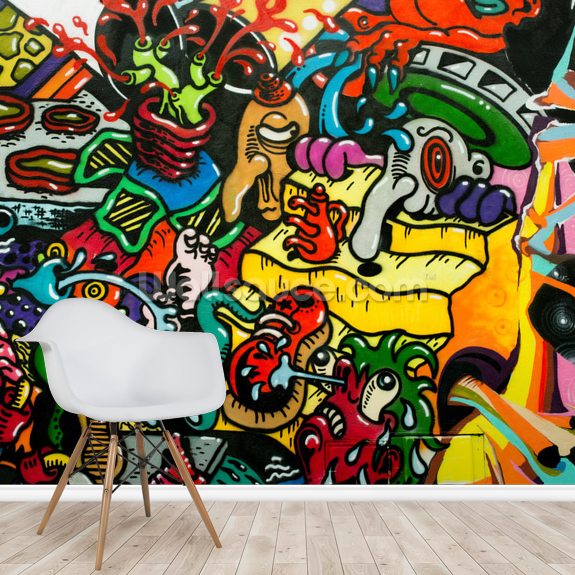
The movement that I decided to look at for the 2000s was Street Art. This has been around for a long time in many different aspects. While researching the 1970s I looked briefly at graffiti art for my topic of choice which had a lot of developments at the time. In the 2000s, this has been brought back under the name of street art. The main artists, such as Banksy, use this format as a public form of expression for their work. Legally, the art movement itself would come under vandalism but a lot of artists are willing to put that all on the line in order to be able to properly express themselves.

Image result for street art

As for the artist, I decided to look at Christian Guemy, who uses the moniker “C215”. Originally born in Paris, Guemy now travels the world doing street art. He primarily uses stencils in his art, and his style is primarily close up pictures of peoples faces. The main way he uses this is by having his art reflect the city in which he does it, for example by making a stencil and then painting on a wall a picture of a citizen of a city. This work is clever as he uses it to create designs and leave his mark all over the world, but keeping it personal to the city makes it all blend together and guarantees his work to fit in.

Image result for christian guemy

Timeline (1990s)

The 1990s was a greatly influential time for art movements and revivals, and pop-art was no difference. The 1990s brought around the revival of neo-pop, bringing back the American interest in the themes that pop-art was based on at the time. Pictures of celebrities, such as Michael Jackson, and influential symbols of popular culture were used massively in this revival, the rapid growth of a digital age through technology becoming more mainstream leading people to experience these things more, allowing artists to work off mediums which became household names and therefore having their art reach more people.

Image result for neo pop art

The main movement I decided to look at for this timeline was Stuckism. This movement was started in the 1990s by Charles Thomson and Billy Childish. The key idea with this movement is that there were really no ideas, instead it decided to work off the fact that it used no influence so that individual artists had their own unique sense of identity in their work and were able to create to their hearts content without any former idea of style or process that most art styles would entail. Whereas most styles are purposely used to show how you’ve developed as an artist and general career advancement in a certain category, this style was really used to let artists express themselves before all else.

Image result for stuckism

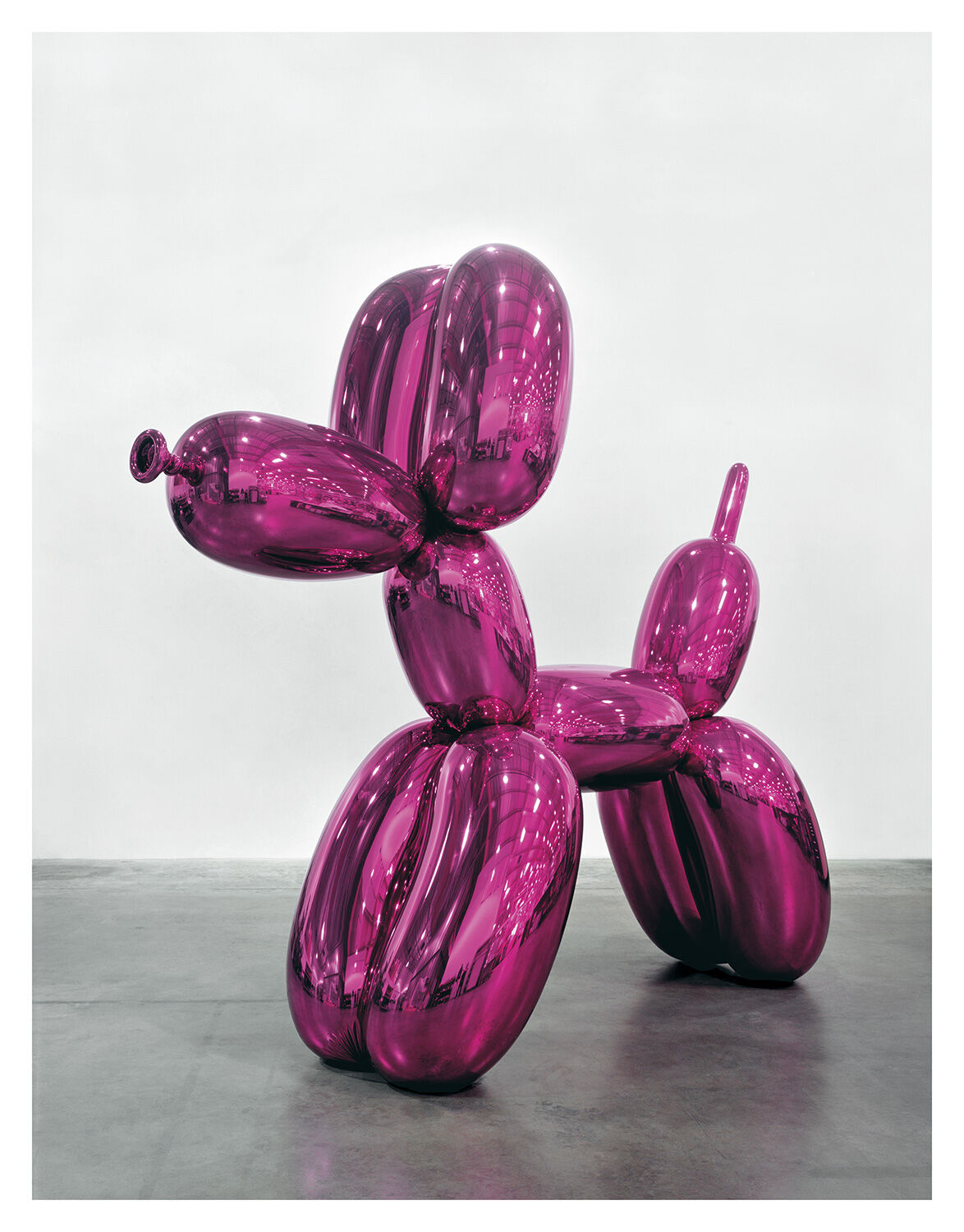
The artist that I decided to look at who worked mainly in the 1990s was Jeff Koons. Koons had a unique form of expression in his art by using ordinary mundane objects but using clever photography and effects in order to put them in a completely different light and have them massively stand out. For this reason, a lot of his work was not very well-received, seeing it all as extremely cynical or with a message to show. However, Koons has gone on record to refute this by telling people that his work has no real hidden meaning to show, it’s all boldly there in front of you to see for yourself at complete face value.

Image result for jeff koons

Timeline (1980s)

There were a lot of important and influential art movements that started and occurred during the 1980s. One which stood out to me a lot was Brit-Art. This consisted of a lot of artists working specifically in the United Kingdom, their outlandish and outstanding art pieces getting a large amount of media coverage at the time due to the different style, inspired by very abstract styles such as Dadaism, and they dominated the British art scene as a whole in the 1980s and 1990s. The main example of this was art by the controversial Damien Hirst, creator of pieces such as The Physical Impossibility of Death in the Mind of Someone Living, which showed a tiger shark completely contained in formaldehyde in a vitrine.

Image result for brit art

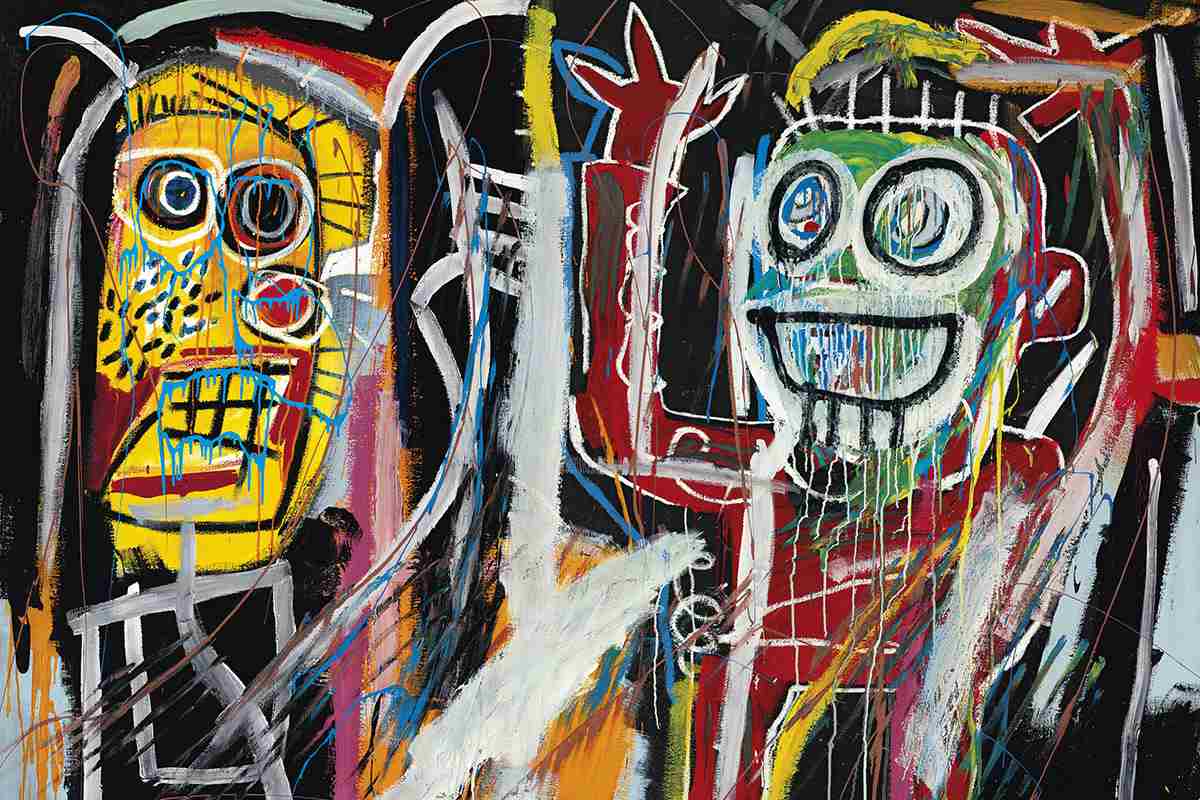
The art style that I decided to look at in the end was neo-expressionism. At the time, the 1970s was mostly dominated by art movements such as minimalism and conceptualism, and while they were important were seen as very intellectual or purist, not allowing for a large degree of difference in art. This frustrated a lot of artists at the time and through that fire, neo-expressionism was born. This art movement was a complete revival of everything involving some form of abstract expression or emotion in their work, working in a lot of art styles which modern artists tried to discredit with styles such as minimalism which worked directly against art pieces having a large amount of meaning. Historical themes and inspiration, high emotion, taking after themes as early as the renaissance in their art.

Image result for neo expressionism art

The artist that I looked at for this time was Anselm Kiefer. Anselm was a German painter and sculptor who used a wide range of real mediums in his art, such as straw and ash in order for him to be able to more accurately represent art styles. A lot of his work was extremely controversial due to the subject matter of it all. As he was born on the latter end of Nazi rule in Germany, a lot of his work was influenced greatly by the lasting effects that their rule had over Germany, and Europe as a whole, at the time, primarily including the ways that their instigation of war in 1939 and the mistreatment of non-Aryan minorities, mainly the Jewish communities. His culture has an extremely dark past, and yet he looks back at it without hesitation to realise the vast potential that it had to work off in artistry and spreading the important message that was needed.

Image result for anselm kiefer

Timeline (1970s)

The next timeline to look at was the 1970s and the artist and movements which influenced that era the most. The first movement that I looked at was graffiti art. This spread in the 1970s due to the cultural influences of hip-hop, causing a large amount of urban youths to want to take their frustrations at society out in a different way, causing them to be creative and make art, but not necessarily art that would please the public as a form of rebellion and protest.

Image result for graffiti art

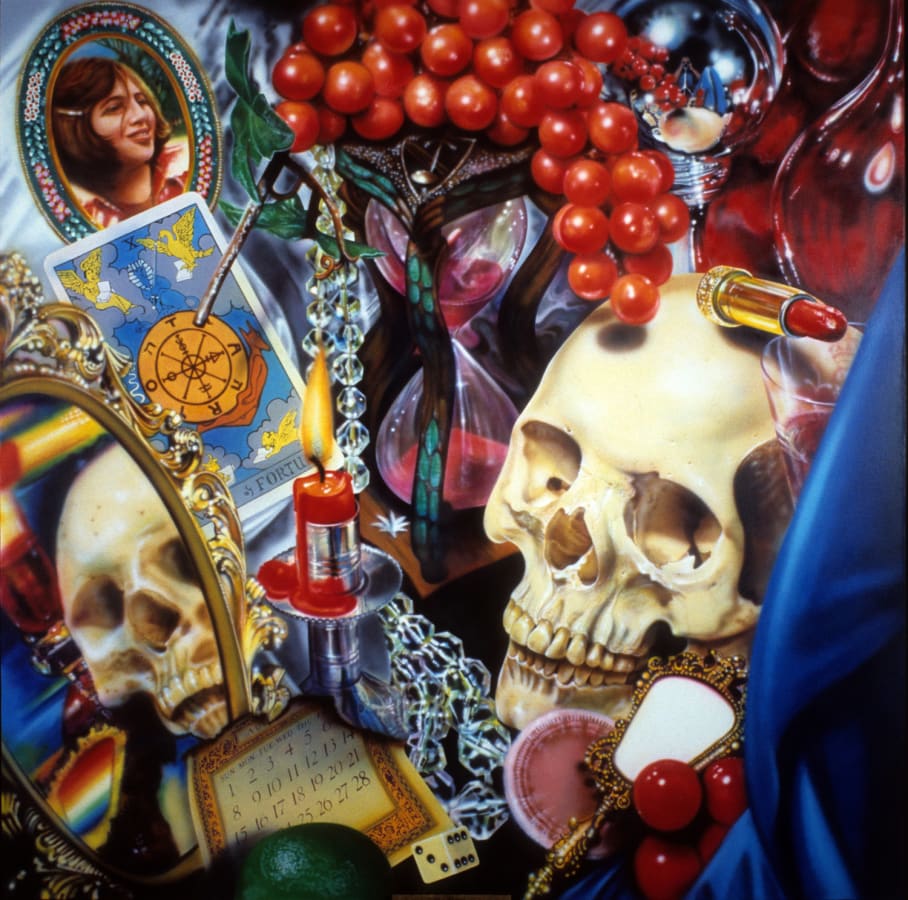
In the end, I decided to look at photorealism as a movement instead. This started in the late 1960s but developed primarily throughout the 1970s. This style entails creating your art to be highly detailed, resembling photographs either by working directly from them or taking direct inspiration from them in terms of lighting and detailing as to make it resembles a real picture, often creating an “uncanny valley” effect, making something look too realistic to the point of being able to not look real because of it.

Image result for photorealism

The artist I decided to look at was Audrey Flack. She was the first photorealistic painter to have their work to be accepted by the Museum of Modern Art. This piece was included in its permanent collection and is still there to this day. She is an extremely influential pioneer of the art form as she used painting, sculpture and photography altogether, and they blended perfectly to make the photorealistic effect come through in her work.

Image result for audrey flack


Timeline (1960s)

The first timeline project that I looked at was the decade of the 1960s, and the primary movements and historic events that occurred in this time. To start out with, I decided to look at some of the key art movements that were present or started in the 1960s. At first, I was planning to look at minimalism, specifically artists such as Ad Reinhardt, who worked to influence the movement a lot between the 1960s and 1970s.

Image result for minimalism ad reinhardt

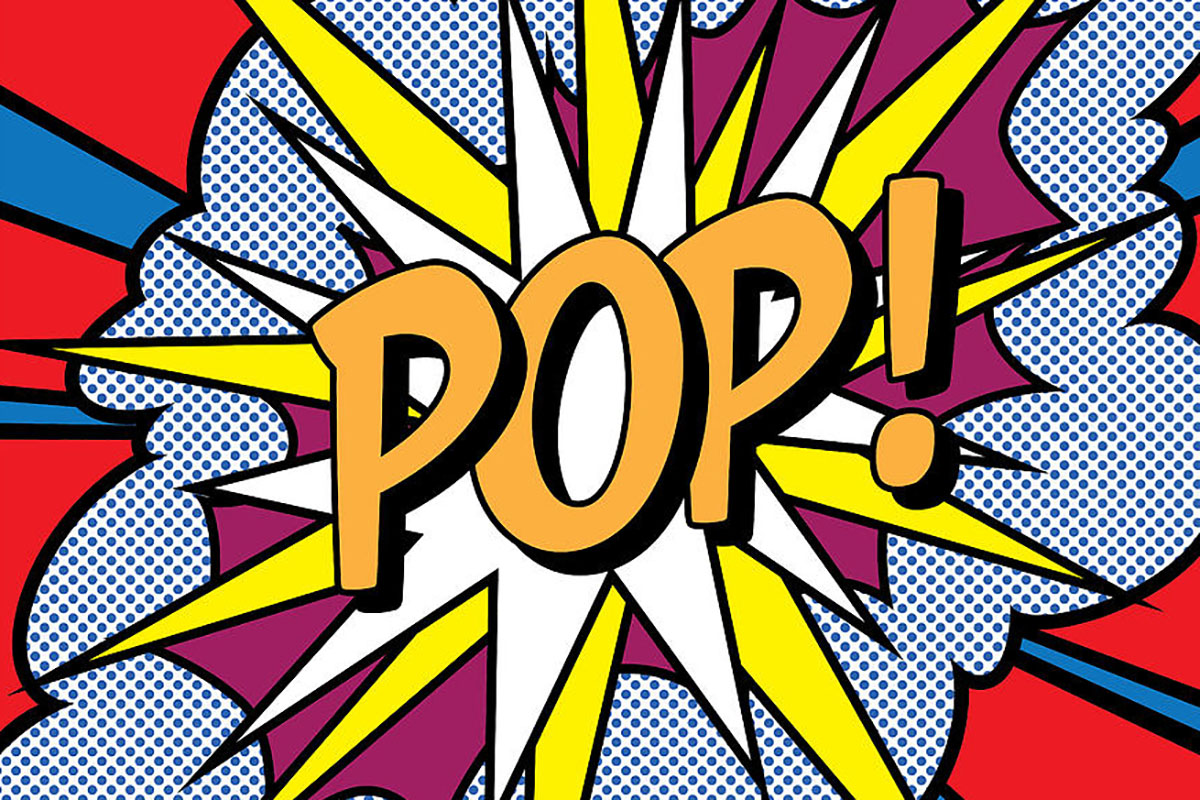
After further consideration, I decided to focus on pop-art for the main theme of the 1960s that I wanted to research. In comparison to every other movement at the time, it just stood out to me a lot more, definitely being the flashiest and loudest movement at the time. Combined with the domination of consumerism and the need to stand out, pop art really thrived at the time, especially in America, exponentially growing the movement due to the focus on celebrities and branding.

Image result for pop art

Originally I was looking at Richard Hamilton as the artist to research as part of the movement. After a short bit of research, he was the main one that stood out to me as he acted as a type of pioneer for the movement, starting it out in the late 1950s. However, I decided against this in the end because the majority of his works as an artist were split across many different themes, instead, I decided to focus on an artist who had the majority of their works and their fame come from the specific movement.

Image result for richard hamilton

After further research into the movement, I decided to look into Roy Lichtenstein as my artist to research for the decade. Alongside artists such as Andy Warhol, he was one of the leading figures of the movement at the time, keeping in tune with the art style of the movement while also putting his own spin on it, giving it an aesthetic like a parody of a comic book.

Image result for roy lichtenstein

How and Why we Research

How

Research into art can be done in many different ways. For example, visiting an art gallery or a museum would count as research as it gives you a first-hand look at existing pieces and acts as a source of inspiration.

Another primary way of researching art is by looking through books. Books on artist usually show off some of their most famous works, meaning and inspirations of each individual piece as well as giving you information about the artist’s life itself so you can get a better understanding of how they felt at the time, and therefore a stronger understanding of their art piece.

The final main way I had to research art is through online research. Websites such as Tate, or even official websites set up by the artists themselves act similarly in a way to as a book on the artist would, although not as in-depth.

Why

We do research in order to get a better understanding of the primary sources of inspiration for specific pieces, their thoughts and ideas during their artistic process, and even the artists themselves. With artist research we can go back and see the historic effects of the art, seeing where artistic cultures and movements began as well as the people who started them off.

It also works well as a way to be introduced to some new artists. Through my artist research, I’ve found some artists I otherwise may have never heard of, and in some cases, this has introduced me to a completely new style of art which appeals to me personally, teaching me new techniques and processes of art and giving me an overall further understanding of the topic.


Final Evaluation

The main research that I conducted in my work is research on different artists. Specifically, I covered the graphic design work of Stefan Sagmeister, Lester Beall and Saul Bass. I chose these artists due to the influence and prominence of the work that they have done. The main way that I have been able to document this information is through writing a few pages and blog posts on each artist, going over their most important work and the way that it has influenced my own designs. I interpreted this research by viewing their designs as a way to push myself, working in ways similar to how they did in order to create something unique. In my work, I referred to the mood of Stefan Sagmeister’s work a lot, due to the unique way that his work felt. The darker tones lined up well with my overall theme of “Midnight”, and therefore I found it fitting to link it in with my own designs as a primary influence.


One of the initial problems I encountered was with the direction to take my theme. From my mind map of ideas based on the colour prompt, I had a variety of ideas but initially had problems with narrowing them down. This was primarily a theoretical idea but it bled into my practical work somewhat when I was working on my designs for a finalised logo. The logo design was the primary reason that I was able to overcome the problem, since I used my variety in designs to narrow it down to one that I preferred the most. Then, from that, I was able to develop a consistent theme to base my entire project around.


I had a lot of personal issues with time management and planning as a whole, primarily due to absences at college. Since I missed a lot of weeks, I often ended up not being able to use my folder or time properly, and therefore a lot of my work wasn’t completely consistent with the plans that I had formulated in my folder. I did use my blog to keep a track of my work, but I didn’t use it to it’s full effectiveness. For the next unit, it would work better if I used it in tangent with my work so I knew where I was up to, and would then be able to use it to plan the next steps for my work, keeping me overall more organised.


In my practical skills, I focused a lot on working with patterns and colours, often using them in conjunction with each other to create interesting designs. One example of this is the study into Line, Tone, Shape and Texture. In this, I created a couple of designs for each theme and did my own spin on how to interpret them. The main example of this was the use of mono-printing, which is the method of using inks and different mediums to print a design onto another piece of paper. With this, I printed up the patterns that I had created which, when scanned, worked as a great base for backgrounds for my spray can designs.


In conclusion, I’m overall happy with how this project went. My own personal timekeeping was the main issue holding me back, but this is something I’ve fixed and shouldn’t be a problem in the times to come. I’m happy with the outcome of my final spray can design, as I think I worked well to make a good logo which complemented my colour scheme, alongside incorporating my practical work as well as my typographical research into the overall design. Overall, it took bits from all the work that I’ve done for my project, and produced a very positive result.
Final Spray Design

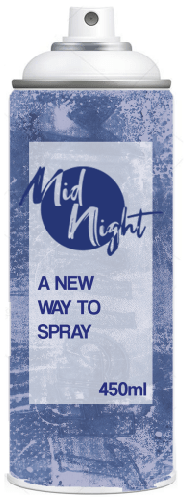
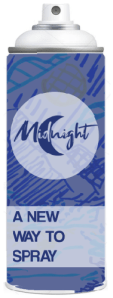
For my final spray can design, I decided to go with the third design that I had set up, as I thought it worked the best as a design for a spray can. The main thing that I liked about this design is the way I used the background, overlaying it onto a grey coloured background to make it somewhat transparent as a background, but it still was able to make an interesting pattern. As well as this, I prefered this logo concept the most out of the ones that I had done, primarily in the way that I was able to keep the “Mid” and “Night” separate. In some of my designs I started using the slogan “A  new way to spray”. This originally started as a way to fill in some space in the design, but in the end I enjoyed the way the slogan sounded and it helped make my brand sound unique, so I decided to keep it consistent in the majority of my designs.

spray3

Spray Can Designs

spray1

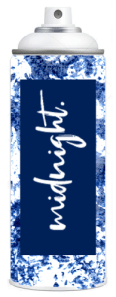
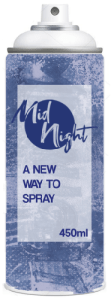
This was the first design that I set up for my spray cans. Primarily, this was a way of experimenting with the background of the spray can, by using the Linear Light tool to overlay he background onto another version of itself, and therefore produce a very unique and bold outlook. The label and logo were more basic in this design.

spray2

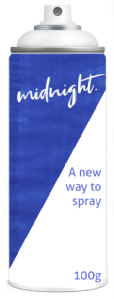
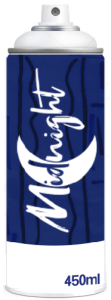
This second spray can design was primarily used to experiment with ways of using shapes alongside the patterned backgrounds in order to create an interesting design, However, I felt this design fell flat as it was too plain and the font choices used were very uninteresting.

spray3

For this design, I experimented with ways to improve upon the designs that I had already done. I used the method of background and label from my first piece, but made it more unique with a semi-transparent white label overlaying it, making it lest bold but still making the new logo stand out from it.

spray4

In this design I wanted to try out a  design that didn’t use a label as prominently, instead focusing on ways that I can work it so that the logo and the background work together. To do this, I kept the logo in white as I had done in some of the previous designs, as well as keeping the entire background darker.

spray5

In this final design, I wanted to experiment with different backdrops to the text and ways that I could make it stand out from the rest of the spray can design. For example, the circle around the logo worked to  isolate it from the background while also making it stand out against all other highlighted information by keeping them separate.