Evaluation

The majority of my gathered research has been through online sources, getting a vast range of information from a variety of sources for a variety of topics. The main way that I interpreted this research was through analysis, covering the effect it personally had on me and my own opinions on it. I was able to document this through collating it onto A3 size sheets, which gave me a range of ways to document the information that I’d looked at, as well as a way to collate my own personal views on it. Given the topic of the units, I had a range of mediums at my disposal in order to get the full potential out of a research project. If I was to do it again I would go back and use these better to my advantage. During the project, I primarily focused on doing online research and didn’t look into using books or any other type of primary research, so next time I would like to try to focus on things that I didn’t do and use them to improve my work. Although it wasn’t a primary form of research, it still gave me a range of information from many types of sources that I was able to properly use.

In this project, I had a lot more trouble with the case studies than I did the timeline project. This was a personal difference due to the fact that I’m not as proficient in analysis, so having to focus a piece of work on an analysis of an artist and their work was outside of my comfort zone personally. Despite this, I still worked at it and learned a lot from doing the case studies, both about the artists and art styles themselves but also I learned a lot about getting other peoples opinions on art and how the personal analysis of work is important to keep in mind. In the future, I plan to keep in mind and research-based on other people’s analysis, either through online research or in books to get a wider range of views.

Although the timeline was easier on my end, I still had a fair share of issues while making it. One of the things that made it better for me is that I was able
to use design a lot better in it, laying out the information was much more of an interesting challenge than the case study since I had to consider that I
was focusing on multiple sources and types of information rather than one specific piece. One of the main issues that I had was to get proper historical information as the timelines went on. Since there’s been more time, there’s a lot more documentation and historical analysis online and in books for events in the 1960s and 1970s, but in the case of the 2000s and 2010s there’s a lot less online, so I had to work a lot more independently on that side of it. I decided to focus primarily on technological advancements, especially in the 2010s, in terms of historic events since I was able to use it to relate it a lot more to the art world and the way that it’s been developed, such as in terms of Virtual Reality or 3D Printing.

Overall my main issue with this project was my time management. Due to poor timekeeping and absences, I missed a lot of lessons at college and ended up losing a lot of time that should’ve been dedicated to the project. Although not directly detrimental to the project since I had a lot of time to go over it, a lot of things tended to be lost in translation such as through blog posts or between work due to larger time gaps between work. In the future, I need to keep on top of my time management by being sure to attend every lesson.
Timeline (2010s)

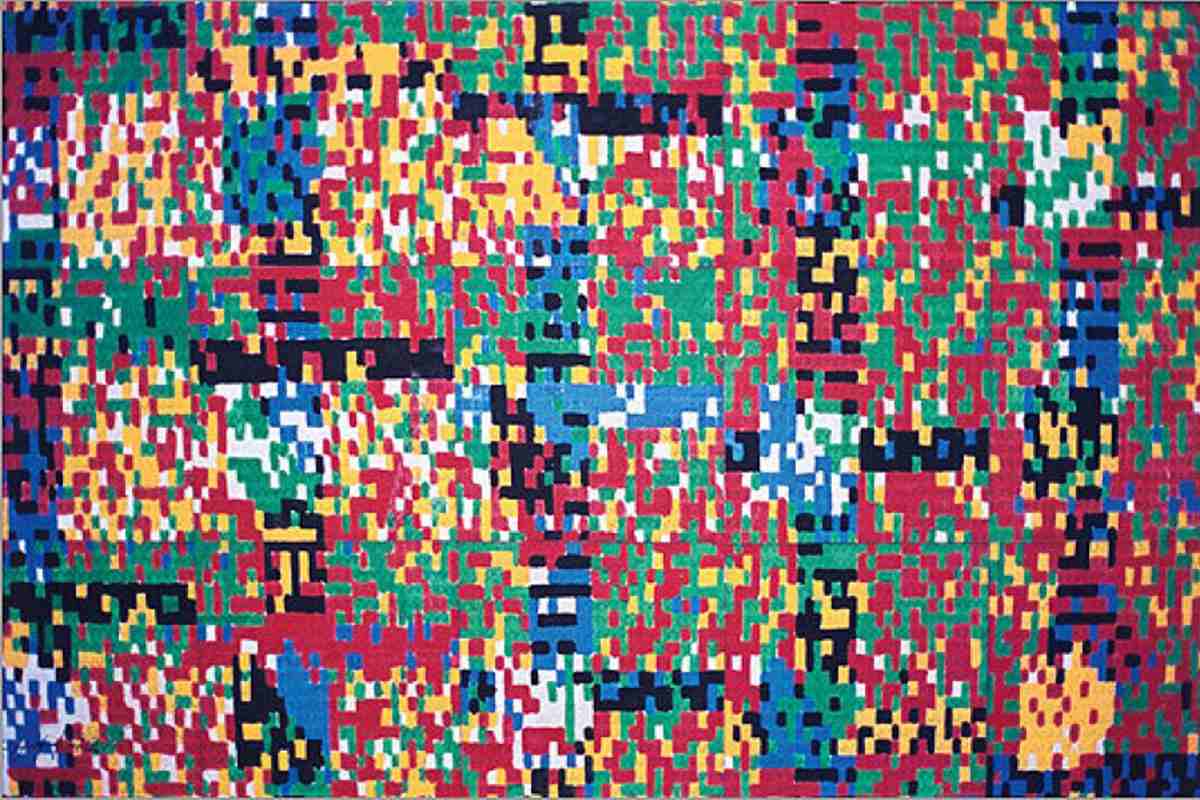
For the art movement that I decided to research for this time period, I chose to do computer art. This is an extremely broad term for a movement and covers a wide variety of aspects, but I decided to use this to my advantage since it gives me a lot to work off, as I could research basically anything that used a computer as part of its development. Specifically I liked to look at designs which involved a mix of traditional art and digital art to create something truly unique. The main reason that I chose this art is because of my own personal connection, being a designer myself means I’ve got a lot of reason to enjoy it and a lot of the first-hand experience to work off when assessing it and going over what I like about it.

Image result for computer art

The designer that I decided to look at for this art movement was Harold Cohen. I looked at him as he was revolutionary in the aspect of computer art, taking a whole different spin on it by taking it literally, creating a computer named AARON which generated its own works of art. A common criticism of his work is that a lot of it can technically not be considered his art since it was made autonomously by a machine rather than him directly affecting it, but as he was the one who specifically made the machine it more than qualifies as his work in my eyes. His developments in artificial intelligence were revolutionary to the art aspect and lead to a lot of developments and ideas which are used a lot in the modern-day, such as neural networking and deep learning in the art to create realistic pieces as a form of mimicry of an existing style or image.

Image result for harold cohen

Timeline (2000s)

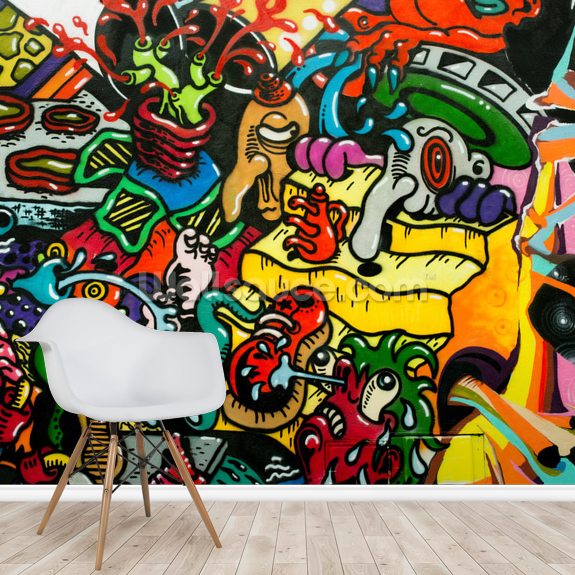
The movement that I decided to look at for the 2000s was Street Art. This has been around for a long time in many different aspects. While researching the 1970s I looked briefly at graffiti art for my topic of choice which had a lot of developments at the time. In the 2000s, this has been brought back under the name of street art. The main artists, such as Banksy, use this format as a public form of expression for their work. Legally, the art movement itself would come under vandalism but a lot of artists are willing to put that all on the line in order to be able to properly express themselves.

Image result for street art

As for the artist, I decided to look at Christian Guemy, who uses the moniker “C215”. Originally born in Paris, Guemy now travels the world doing street art. He primarily uses stencils in his art, and his style is primarily close up pictures of peoples faces. The main way he uses this is by having his art reflect the city in which he does it, for example by making a stencil and then painting on a wall a picture of a citizen of a city. This work is clever as he uses it to create designs and leave his mark all over the world, but keeping it personal to the city makes it all blend together and guarantees his work to fit in.

Image result for christian guemy

Timeline (1990s)

The 1990s was a greatly influential time for art movements and revivals, and pop-art was no difference. The 1990s brought around the revival of neo-pop, bringing back the American interest in the themes that pop-art was based on at the time. Pictures of celebrities, such as Michael Jackson, and influential symbols of popular culture were used massively in this revival, the rapid growth of a digital age through technology becoming more mainstream leading people to experience these things more, allowing artists to work off mediums which became household names and therefore having their art reach more people.

Image result for neo pop art

The main movement I decided to look at for this timeline was Stuckism. This movement was started in the 1990s by Charles Thomson and Billy Childish. The key idea with this movement is that there were really no ideas, instead it decided to work off the fact that it used no influence so that individual artists had their own unique sense of identity in their work and were able to create to their hearts content without any former idea of style or process that most art styles would entail. Whereas most styles are purposely used to show how you’ve developed as an artist and general career advancement in a certain category, this style was really used to let artists express themselves before all else.

Image result for stuckism

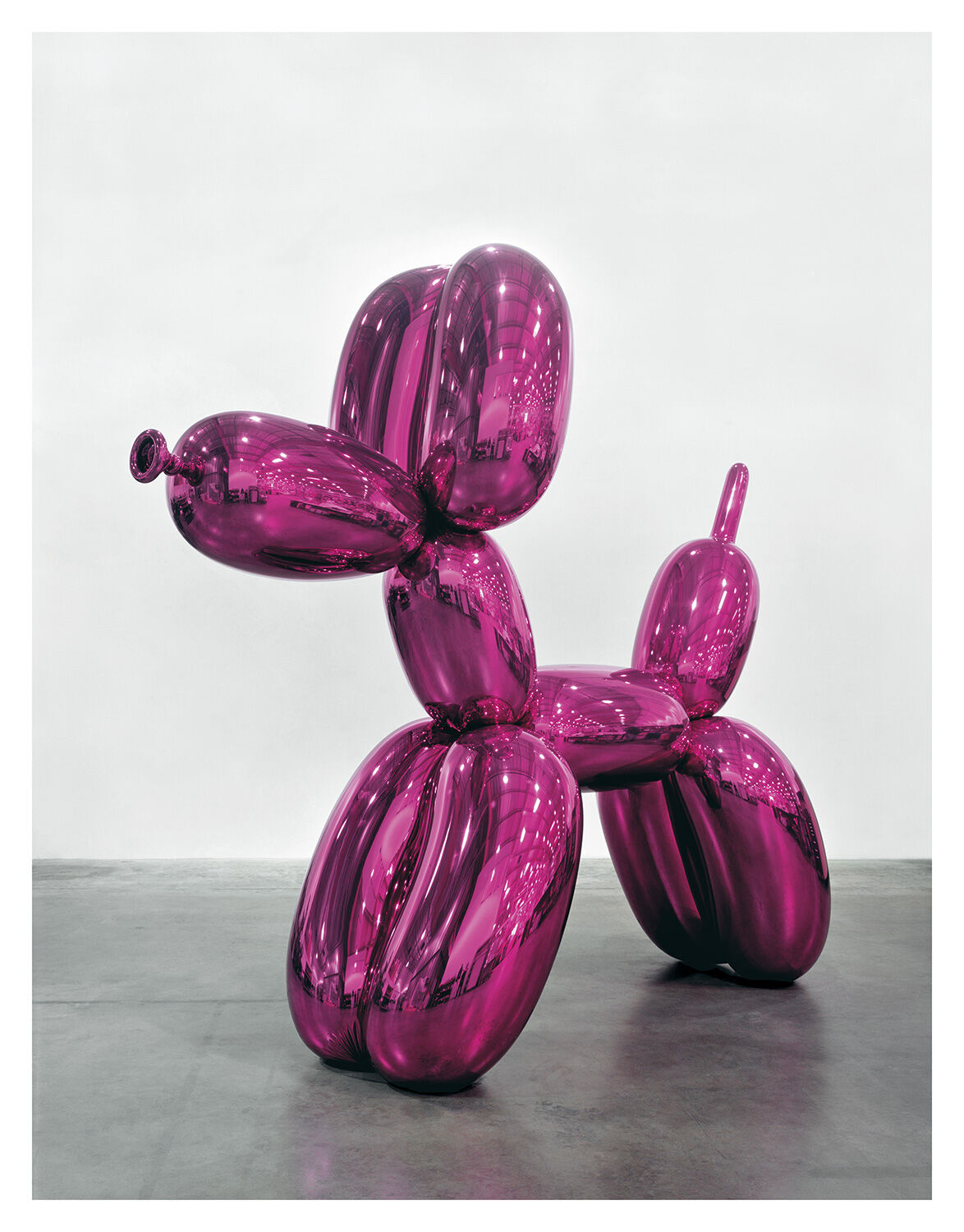
The artist that I decided to look at who worked mainly in the 1990s was Jeff Koons. Koons had a unique form of expression in his art by using ordinary mundane objects but using clever photography and effects in order to put them in a completely different light and have them massively stand out. For this reason, a lot of his work was not very well-received, seeing it all as extremely cynical or with a message to show. However, Koons has gone on record to refute this by telling people that his work has no real hidden meaning to show, it’s all boldly there in front of you to see for yourself at complete face value.

Image result for jeff koons

Timeline (1970s)

The next timeline to look at was the 1970s and the artist and movements which influenced that era the most. The first movement that I looked at was graffiti art. This spread in the 1970s due to the cultural influences of hip-hop, causing a large amount of urban youths to want to take their frustrations at society out in a different way, causing them to be creative and make art, but not necessarily art that would please the public as a form of rebellion and protest.

Image result for graffiti art

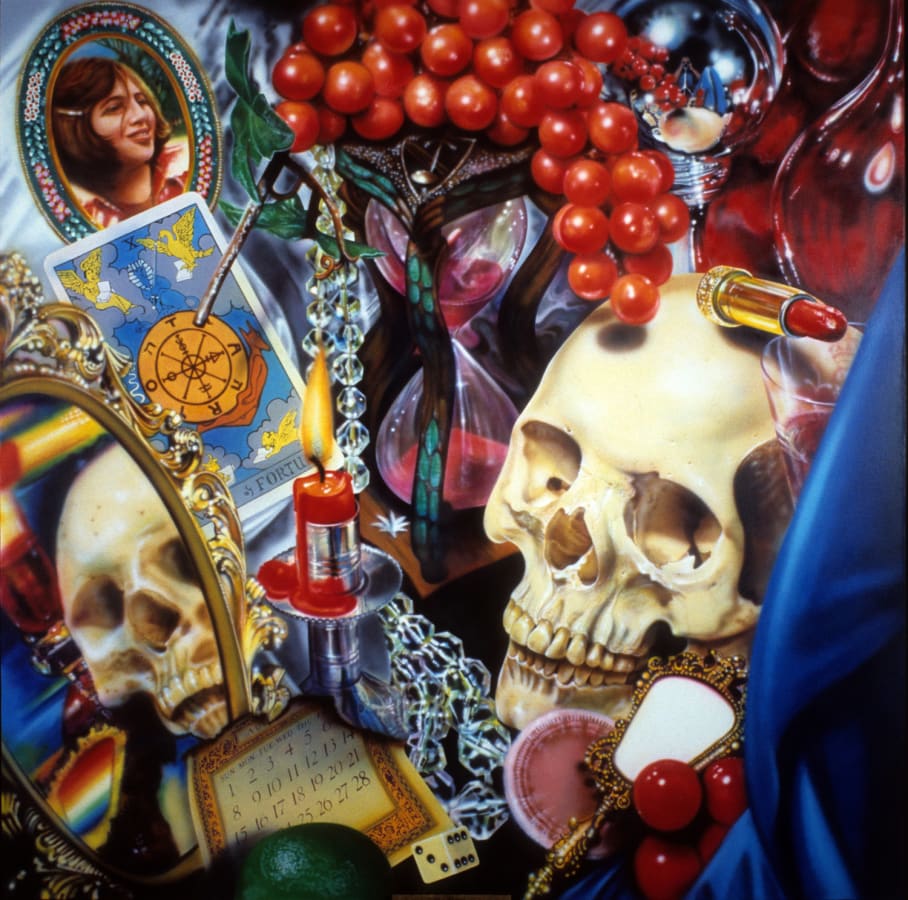
In the end, I decided to look at photorealism as a movement instead. This started in the late 1960s but developed primarily throughout the 1970s. This style entails creating your art to be highly detailed, resembling photographs either by working directly from them or taking direct inspiration from them in terms of lighting and detailing as to make it resembles a real picture, often creating an “uncanny valley” effect, making something look too realistic to the point of being able to not look real because of it.

Image result for photorealism

The artist I decided to look at was Audrey Flack. She was the first photorealistic painter to have their work to be accepted by the Museum of Modern Art. This piece was included in its permanent collection and is still there to this day. She is an extremely influential pioneer of the art form as she used painting, sculpture and photography altogether, and they blended perfectly to make the photorealistic effect come through in her work.

Image result for audrey flack


Timeline (1960s)

The first timeline project that I looked at was the decade of the 1960s, and the primary movements and historic events that occurred in this time. To start out with, I decided to look at some of the key art movements that were present or started in the 1960s. At first, I was planning to look at minimalism, specifically artists such as Ad Reinhardt, who worked to influence the movement a lot between the 1960s and 1970s.

Image result for minimalism ad reinhardt

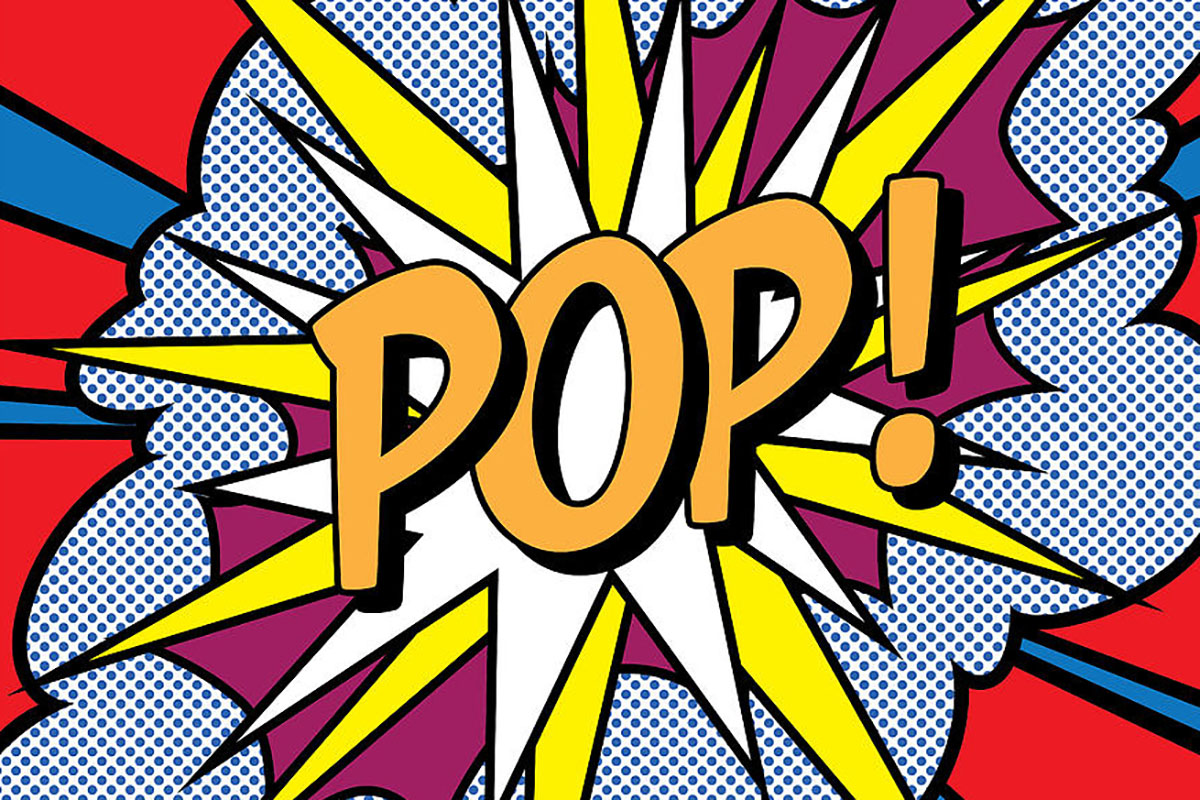
After further consideration, I decided to focus on pop-art for the main theme of the 1960s that I wanted to research. In comparison to every other movement at the time, it just stood out to me a lot more, definitely being the flashiest and loudest movement at the time. Combined with the domination of consumerism and the need to stand out, pop art really thrived at the time, especially in America, exponentially growing the movement due to the focus on celebrities and branding.

Image result for pop art

Originally I was looking at Richard Hamilton as the artist to research as part of the movement. After a short bit of research, he was the main one that stood out to me as he acted as a type of pioneer for the movement, starting it out in the late 1950s. However, I decided against this in the end because the majority of his works as an artist were split across many different themes, instead, I decided to focus on an artist who had the majority of their works and their fame come from the specific movement.

Image result for richard hamilton

After further research into the movement, I decided to look into Roy Lichtenstein as my artist to research for the decade. Alongside artists such as Andy Warhol, he was one of the leading figures of the movement at the time, keeping in tune with the art style of the movement while also putting his own spin on it, giving it an aesthetic like a parody of a comic book.

Image result for roy lichtenstein