The 1990s was a greatly influential time for art movements and revivals, and pop-art was no difference. The 1990s brought around the revival of neo-pop, bringing back the American interest in the themes that pop-art was based on at the time. Pictures of celebrities, such as Michael Jackson, and influential symbols of popular culture were used massively in this revival, the rapid growth of a digital age through technology becoming more mainstream leading people to experience these things more, allowing artists to work off mediums which became household names and therefore having their art reach more people.

The main movement I decided to look at for this timeline was Stuckism. This movement was started in the 1990s by Charles Thomson and Billy Childish. The key idea with this movement is that there were really no ideas, instead it decided to work off the fact that it used no influence so that individual artists had their own unique sense of identity in their work and were able to create to their hearts content without any former idea of style or process that most art styles would entail. Whereas most styles are purposely used to show how you’ve developed as an artist and general career advancement in a certain category, this style was really used to let artists express themselves before all else.

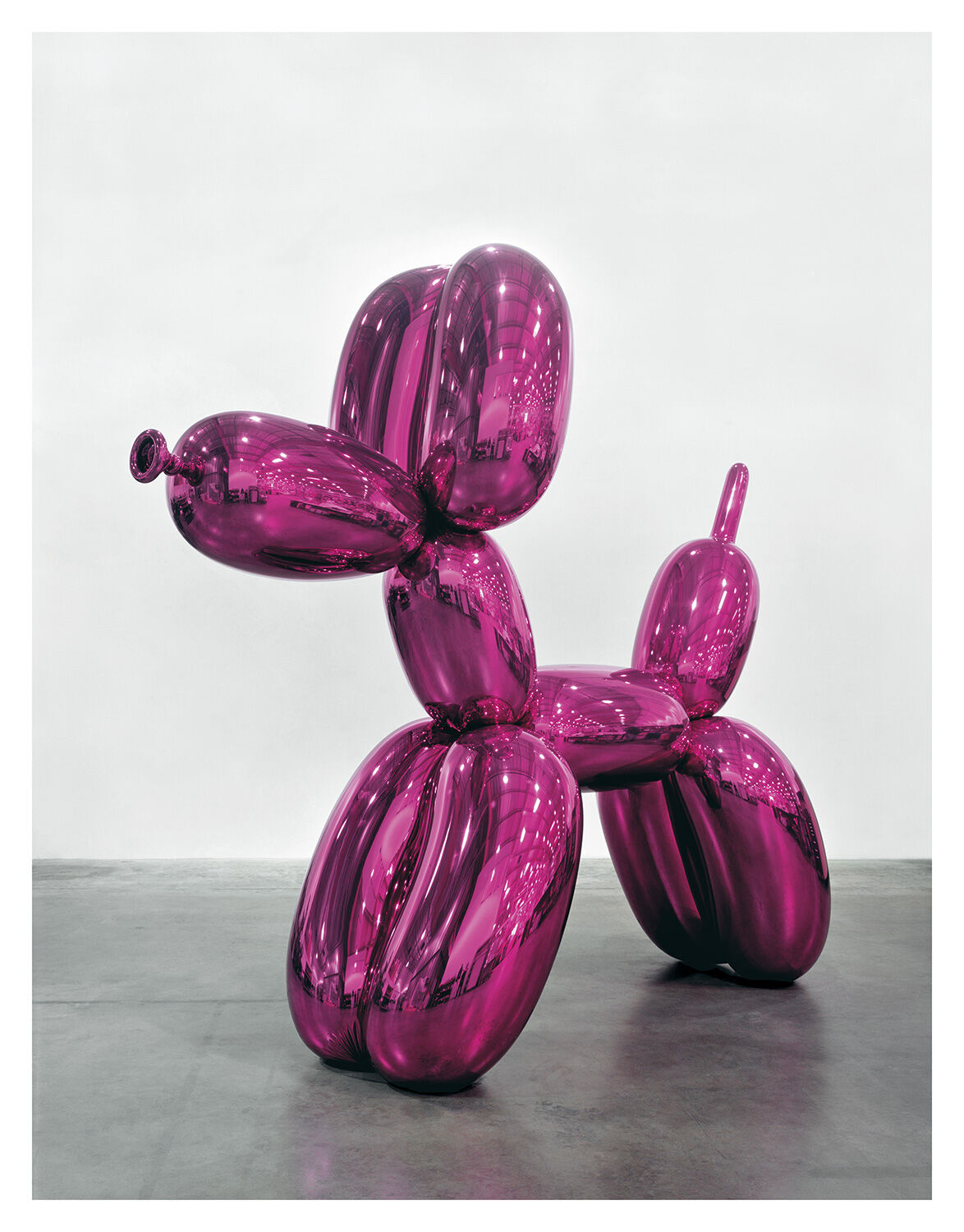
The artist that I decided to look at who worked mainly in the 1990s was Jeff Koons. Koons had a unique form of expression in his art by using ordinary mundane objects but using clever photography and effects in order to put them in a completely different light and have them massively stand out. For this reason, a lot of his work was not very well-received, seeing it all as extremely cynical or with a message to show. However, Koons has gone on record to refute this by telling people that his work has no real hidden meaning to show, it’s all boldly there in front of you to see for yourself at complete face value.
 SamFishwick2018UALED