Shape Experimentation

To start off my experimentation, I decided to use my inspiration from the grid-based posters and use the way that shapes were used to my advantage and develop these into their own, new designs.
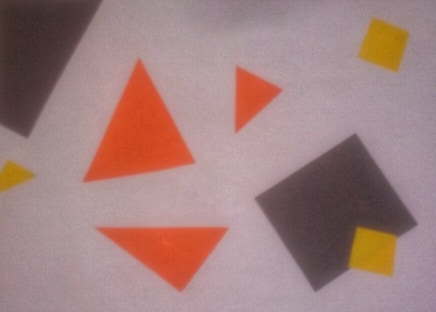
2

The first one that I decided to do was a standard shape setup. With this I just picked three random colours, cut out random shapes and threw them into the canvas that I drew. That originally made  apattern similar to this and then I made some adjustments to make for more appelaing looking spacing and an overall cleaner design.
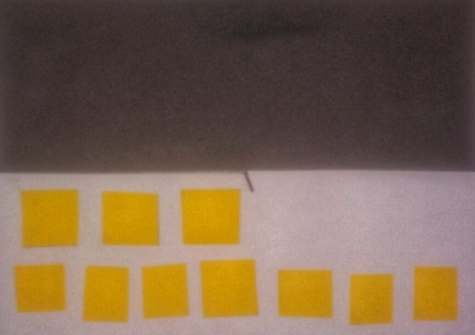
3

For this next one I decided to look at things a lot more uniform, to a certain extent. I dedicated half of my canvas to keeping it plain black for no particular reason except to break it up a little. Then for the other half I cut out an assortment of yellow squares and laid them out in a pattern. I wanted to do this to experiment with keeping things simple and organised but at the end this was my least favourite of the bunch.
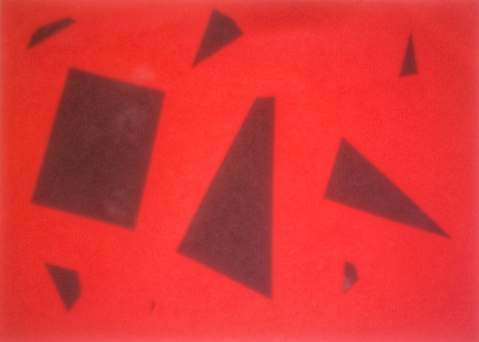
4

The next design I decided to work on was to look at using background colours. To keep it simple and focus more on the background I only decided to use simple black shapes on top of it. The main issue with this setup ended up being the simplicity of the colours, I wasn’t able to properly see and utilise a background for the image since I had no foreground to base it off.
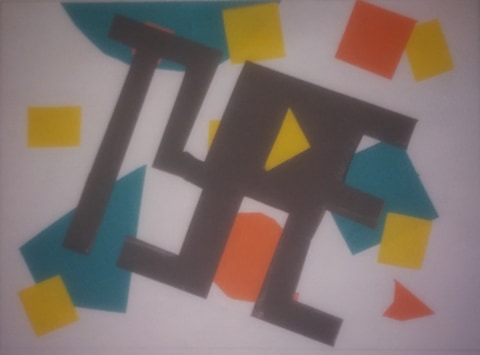
1

The last setup I used was a lot more complex and interesting than the rest. With this I first decided on a colour scheme, using a solid teal-blue colour alongside complementary yellows and oranges to make everything contrast, stand out and work together. I used an assortment of shapes in all different sizes in order to make everything unique. On top of all of this, I cut out the shape of the word TYPE, and from there I angled and place it on top to bring the poster together.

The main thing I got from this experimentation was the usage of shapes, in the final design especially. This ended up reminding and inspiring me of 90s graphic design with bright colours and a range of intereting shapes, which gave me the ida tha I used in my final project to experiment with graphic design and typography through the ages.

Timeline (1980s)

There were a lot of important and influential art movements that started and occurred during the 1980s. One which stood out to me a lot was Brit-Art. This consisted of a lot of artists working specifically in the United Kingdom, their outlandish and outstanding art pieces getting a large amount of media coverage at the time due to the different style, inspired by very abstract styles such as Dadaism, and they dominated the British art scene as a whole in the 1980s and 1990s. The main example of this was art by the controversial Damien Hirst, creator of pieces such as The Physical Impossibility of Death in the Mind of Someone Living, which showed a tiger shark completely contained in formaldehyde in a vitrine.

Image result for brit art

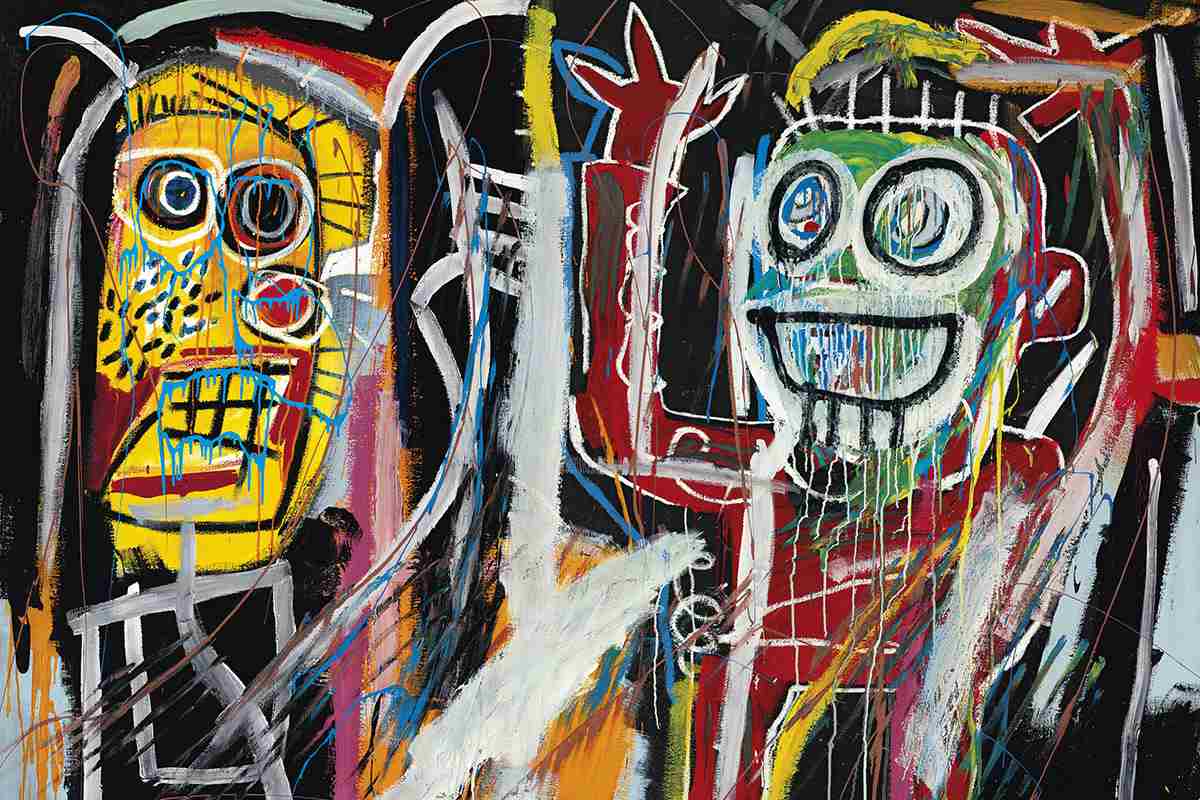
The art style that I decided to look at in the end was neo-expressionism. At the time, the 1970s was mostly dominated by art movements such as minimalism and conceptualism, and while they were important were seen as very intellectual or purist, not allowing for a large degree of difference in art. This frustrated a lot of artists at the time and through that fire, neo-expressionism was born. This art movement was a complete revival of everything involving some form of abstract expression or emotion in their work, working in a lot of art styles which modern artists tried to discredit with styles such as minimalism which worked directly against art pieces having a large amount of meaning. Historical themes and inspiration, high emotion, taking after themes as early as the renaissance in their art.

Image result for neo expressionism art

The artist that I looked at for this time was Anselm Kiefer. Anselm was a German painter and sculptor who used a wide range of real mediums in his art, such as straw and ash in order for him to be able to more accurately represent art styles. A lot of his work was extremely controversial due to the subject matter of it all. As he was born on the latter end of Nazi rule in Germany, a lot of his work was influenced greatly by the lasting effects that their rule had over Germany, and Europe as a whole, at the time, primarily including the ways that their instigation of war in 1939 and the mistreatment of non-Aryan minorities, mainly the Jewish communities. His culture has an extremely dark past, and yet he looks back at it without hesitation to realise the vast potential that it had to work off in artistry and spreading the important message that was needed.

Image result for anselm kiefer

How and Why we Research

How

Research into art can be done in many different ways. For example, visiting an art gallery or a museum would count as research as it gives you a first-hand look at existing pieces and acts as a source of inspiration.

Another primary way of researching art is by looking through books. Books on artist usually show off some of their most famous works, meaning and inspirations of each individual piece as well as giving you information about the artist’s life itself so you can get a better understanding of how they felt at the time, and therefore a stronger understanding of their art piece.

The final main way I had to research art is through online research. Websites such as Tate, or even official websites set up by the artists themselves act similarly in a way to as a book on the artist would, although not as in-depth.

Why

We do research in order to get a better understanding of the primary sources of inspiration for specific pieces, their thoughts and ideas during their artistic process, and even the artists themselves. With artist research we can go back and see the historic effects of the art, seeing where artistic cultures and movements began as well as the people who started them off.

It also works well as a way to be introduced to some new artists. Through my artist research, I’ve found some artists I otherwise may have never heard of, and in some cases, this has introduced me to a completely new style of art which appeals to me personally, teaching me new techniques and processes of art and giving me an overall further understanding of the topic.